Top Commercial Lease Dispute Lawyer: Resolving Your Lease Conflicts
Commercial lease disputes can disrupt operations, drain cash flow, and put years of business growth at risk-whether you own the property or run the business inside it. At DZ Law, PLLC, we represent both sides of these conflicts across East Tennessee, and we know that early, informed action almost always leads to better outcomes than waiting for a crisis to escalate.
Key Takeaways
DZ Law, PLLC represents commercial landlords and commercial tenants in lease disputes across East Tennessee, including Blount, Knox, Sevier, Loudon, Jefferson, and Cocke Counties, with a focus on resolving issues efficiently so clients can get back to business.
Commercial lease disputes in Tennessee are governed by contract principles and real estate law-not residential landlord-tenant rules-so even a "standard" lease can produce high-stakes litigation if key provisions are unclear or poorly drafted.
DZ Law's core practice areas-business & commercial litigation, construction litigation & arbitration, and business transactions & contracts-position the firm to handle everything from commercial lease drafting and negotiation to courtroom litigation in complex commercial leasing conflicts.
If you are in an active or brewing dispute, call (865) 259-0020 or message us online for a focused case evaluation. Acting quickly-before default notices, lockouts, or missed mitigation opportunities-often preserves leverage and reduces the risk of long, expensive lawsuits for both landlords and tenants.
Commercial Lease Disputes in East Tennessee: How DZ Law Can Help Now
DZ Law represents commercial landlords, property owners, and business tenants in lease disputes involving retail spaces, offices, warehouses, and mixed-use properties throughout Blount County (Maryville, Alcoa), Knox County (including Knoxville), and surrounding counties. A commercial lease dispute lawyer specializes in handling conflicts arising from rental agreements for these property types, and our team brings depth across both the transactional and litigation sides of commercial leasing.
If any of the following sound familiar, you should contact us immediately:
Unpaid rent or disputed CAM charges
Early termination or abandonment of a commercial lease
Default notices or threats of lockout
Damage and repair disputes that are affecting your business
Build-out delays or construction-related conflicts
Disagreements over renewal, expansion, or purchase options
These situations can quickly escalate into lawsuits, eviction actions, or business-interrupting injunctions. Consulting a lawyer early can prevent minor disagreements from escalating into major problems, and early legal advice often leads to negotiated resolutions instead of drawn-out litigation.
Ready to discuss your situation? Call DZ Law at (865) 259-0020 or send us a message online for a consultation about your specific commercial leasing problem.
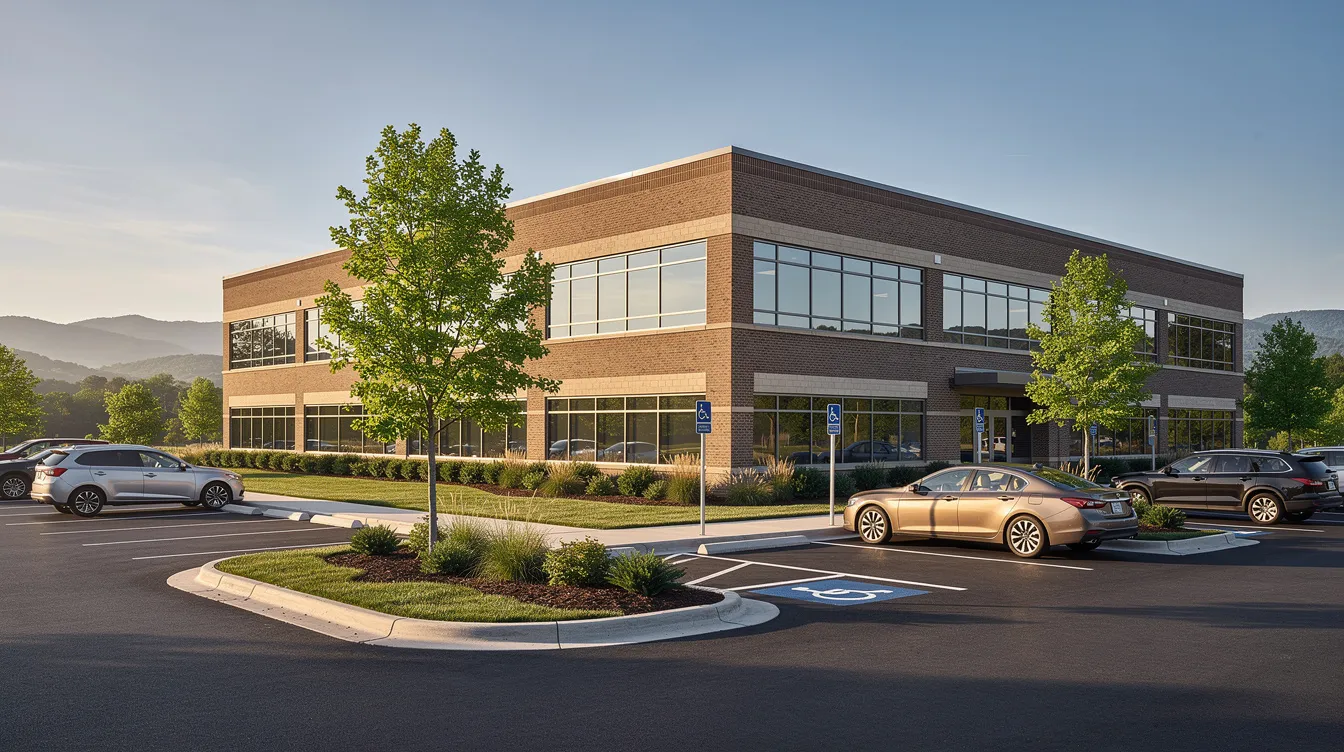
Commercial Landlords, Tenants, and Property Owners We Represent
DZ Law serves a range of clients in commercial leasing disputes: commercial landlords, small and mid-sized business tenants, property managers, and owners of commercial real estate in East Tennessee. Commercial lease attorneys represent both landlords and business tenants, and we take pride in understanding the interests and pressures on each side.
Property types we regularly see in Blount and Knox Counties include:
Neighborhood shopping centers and strip malls
Stand-alone retail or restaurant sites
Professional office buildings
Medical office space
Industrial and warehouse properties
Mixed-use developments
We frequently represent tenants such as medical practices, construction companies, restaurants, retailers, service businesses, and professional firms when lease issues threaten operations or cash flow. We also work with commercial landlords and property companies who need help enforcing lease agreement rights while minimizing vacancy time and protecting long-term asset value.
Our representation spans both front-end advice-contract review, risk assessment, and commercial lease drafting-and back-end dispute resolution through negotiation, arbitration, or litigation in Tennessee courts.
Common Types of Commercial Lease Disputes in Tennessee
Commercial lease disputes rarely come out of nowhere. They usually grow from recurring issues in rent, maintenance, build-outs, or control over the space. Commercial lease disputes can arise despite detailed lease agreements, and they can take many forms over the life of a 5-, 10-, or 15-year term.
Here are the dispute categories we see most often:
Nonpayment of rent, percentage rent, or CAM charges
Disagreements over repairs, maintenance, and property condition
Early termination, abandonment, and mitigation of damages
Build-out, tenant improvements, and construction-related delays
Use restrictions, co-tenancy clauses, and exclusivity provisions
Disputes over options to renew, expand, or purchase
Alleged breaches of quiet enjoyment or wrongful lockouts
Commercial lease disputes can involve nonpayment of rent and repairs obligations-sometimes simultaneously when a tenant withholds payment over unresolved maintenance issues, or when a landlord claims the tenant caused the damage.
Before calling us, gather your full lease agreement, amendments, and key communications so we can quickly spot the contract provisions that control the dispute.
If you recognize your situation in any of these categories, contact DZ Law at (865) 259-0020 or message us online to discuss next steps.
How Tennessee Law Treats Commercial Leases vs. Residential Leases
Commercial leases differ significantly from residential leases under Tennessee law. Understanding local laws is crucial for favorable outcomes in commercial leasing disputes, and this distinction is one of the first things our clients need to grasp.
Here is what you should know:
The Tennessee Uniform Residential Landlord and Tenant Act (Tenn. Code § 66-28) generally does not apply to commercial leases. It covers residential tenancies in counties above 75,000 in population and offers tenant protections that simply do not exist in the commercial context.
Courts enforce clear commercial lease language as written, even if it is harsh for one side. In Briggs & Stratton v. Osram Sylvania, for example, the Tennessee Court of Appeals upheld an "as-is, where-is" clause that required the tenant to accept the premises with known defects.
Commercial leases are largely unregulated by consumer protection laws. Many habitability standards, implied warranties, and statutory repair obligations that protect residential tenants are absent for commercial tenants.
Choice-of-law clauses, forum-selection clauses, and jury-trial waivers are often enforceable in commercial lease agreements and can meaningfully shape how a dispute proceeds. These legal differences are a key reason DZ Law emphasizes careful commercial lease drafting, negotiation, and risk assessment before conflict arises.
Key Commercial Lease Provisions That Often Lead to Disputes
Many lawsuits over commercial leases in Tennessee can be traced back to vague or lopsided provisions in the original lease agreement. Clear lease terms help prevent costly litigation, yet we regularly see agreements where critical clauses were left ambiguous or simply copied from a generic template.
High-risk provisions include:
Provision | What Can Go Wrong |
|---|---|
Rent structure (base, percentage, escalations, late fees) | Disputes can include unexpected rent increases and miscalculated CAM charges |
CAM charges, taxes, insurance, operating expenses | Tenants may dispute reconciliations; landlords may underestimate costs |
Repair and maintenance responsibilities | Unclear allocation of structural vs. nonstructural obligations |
Assignment, subletting, change-of-control | Restrictions on transferring the lease when the business changes |
Use, exclusivity, and co-tenancy clauses | Anchor tenant departure triggers abatement demands |
Default, cure periods, remedies | Lockout or acceleration without proper notice |
Indemnity, insurance, limitation of liability | Risk shifting that may be unconscionable or unclear |
Lawyers help clarify ambiguous lease clauses to explain rights and responsibilities for both parties. DZ Law reviews both new and existing commercial leases to identify and clarify these provisions before they become problems, drawing on our business transactions & contracts and business & commercial litigation experience.
Even if a dispute has already started, careful reading of these clauses often reveals negotiation leverage or defenses that are not obvious to non-lawyers.
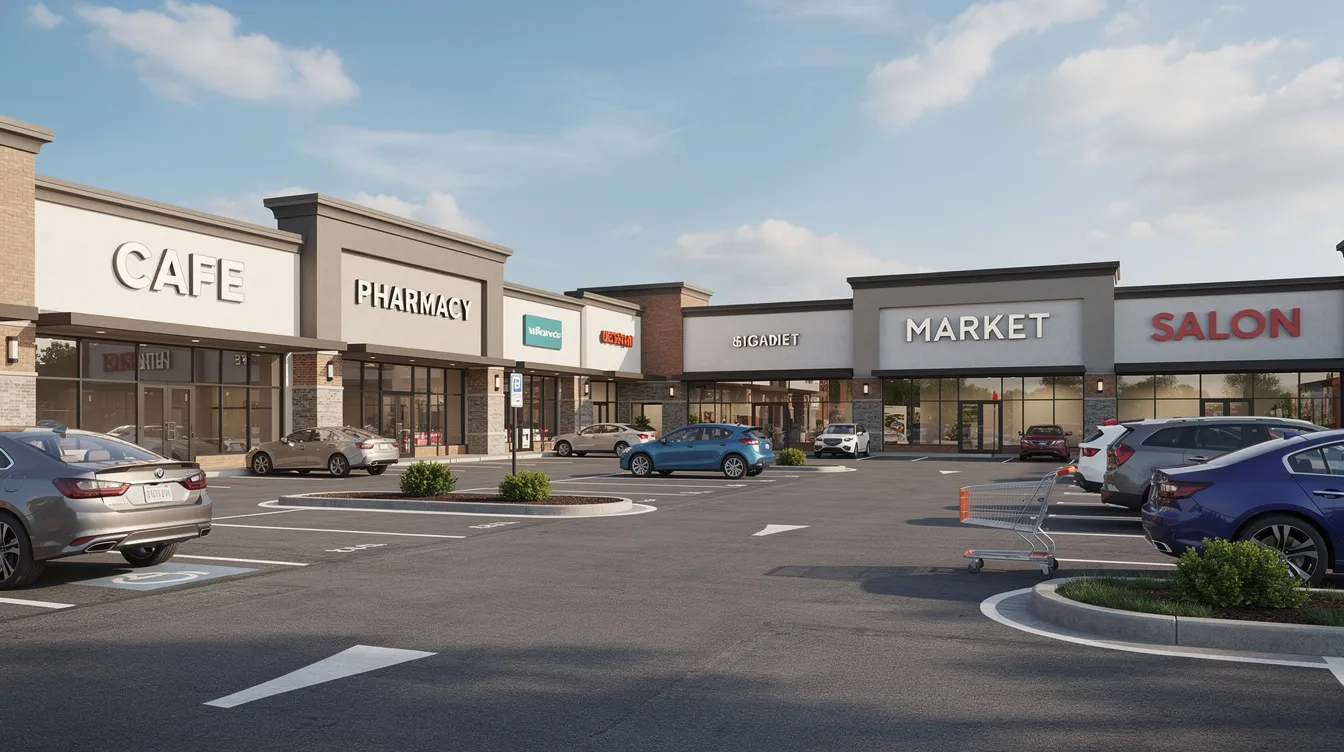
Nonpayment of Rent, CAM, and Other Monetary Defaults
Monetary disputes are the most common commercial lease conflicts, especially when businesses face economic shifts or unexpected construction delays. Disputes can include issues like unexpected rent increases and miscalculated CAM charges that catch tenants off guard.
Issues we handle regularly:
Base rent arrears and late fees
Disputes over CAM reconciliations, tax pass-throughs, and insurance charges
Percentage rent calculations for retail tenants
Underpayment or nonpayment tied to alleged landlord breaches (failure to repair, co-tenancy failures)
Tennessee courts enforce clear payment and remedy language. In William F. Hunt v. Veropele Nashville I, LLC, a landlord was awarded over $90,000 plus attorney's fees when the tenant vacated without justification. But landlords must still comply with notice and cure requirements in the lease. Specific notice requirements are essential in commercial leases-skipping them can undermine an otherwise strong position.
DZ Law advises both landlords and tenants on:
Responding to or sending default notices
Negotiating payment plans or rent abatements
Evaluating when it is better to cure, renegotiate, or terminate
Early involvement of counsel can avoid knee-jerk lockouts or business closures that later prove costly to unwind in litigation.
Repairs, Maintenance, and Property Condition Disputes
Disagreements over who must fix what-and when-are frequent flashpoints between commercial landlords and tenants. Disputes can involve breach of repair and maintenance obligations on either side of the relationship.
Common problems include:
Roof leaks, HVAC failures, parking lot damage, and structural issues
Landlord vs. tenant responsibilities for interior build-outs and ongoing maintenance
Disputes over whether damage is "ordinary wear and tear" vs. tenant-caused
Claims that unrepaired conditions are interfering with business operations and revenue
Under Tennessee law and typical commercial leases, the exact wording of the repair and maintenance clauses-plus any inspection and notice requirements-often decides who bears the cost and whether rent abatement or termination is available. In Briggs & Stratton v. Osram Sylvania, the Court of Appeals enforced "as-is" lease language that placed repair responsibilities squarely on the tenant, even for known defects.
DZ Law's construction litigation & arbitration background helps us analyze technical repair and construction issues, work with engineers or contractors, and present clear evidence about property conditions in negotiations or court.
Early Termination, Abandonment, and Mitigation of Damages
Commercial tenants sometimes need to exit a lease early, and landlords may seek full remaining rent. Landlords may sue tenants for breaking leases without agreements, and Tennessee's approach to mitigation and contract enforcement makes these cases high-stakes for both sides.
Key issues we address:
Abandonment without agreement: When a tenant simply vacates, the landlord typically has a claim for rent through the end of the term, subject to the duty to mitigate.
Acceleration and liquidated damages: Lease language about acceleration, re-letting, and liquidated damages directly impacts what a landlord can recover. In Loans Yes v. Kroger, a tenant vacated six months early; the landlord was awarded approximately $23,900 in damages plus over $26,000 in attorney's fees.
Mitigation duties: Tennessee courts expect landlords to make "fair and reasonable" efforts to re-lease premises, but there is no duty to accept below-market tenants or create special marketing campaigns. In Bellevue Properties v. United Retail, the Court of Appeals found the landlord's grouped marketing approach sufficient, even for a 1,500-square-foot mall space.
For a deeper discussion of landlord mitigation obligations, see our article on navigating mitigation obligations for commercial landlords in Tennessee.
DZ Law evaluates whether the landlord reasonably tried to re-lease, whether damages calculations are inflated, and whether negotiated walk-away deals or structured settlements are possible. Both sides risk making costly mistakes if they act without legal advice-tenants may inadvertently admit liability, and landlords may forfeit rights by mishandling termination or re-letting.
Build-Out, Tenant Improvements, and Construction-Related Lease Conflicts
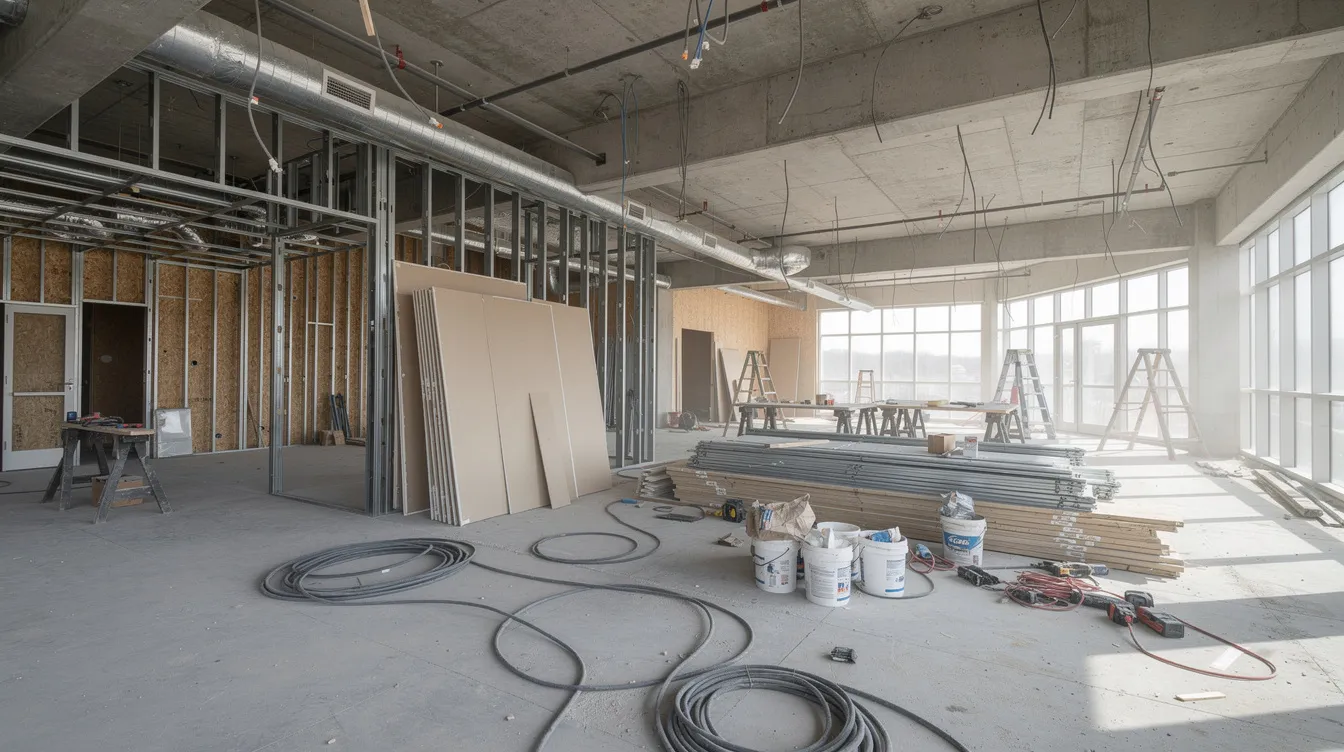
Many modern commercial leases in Tennessee involve complex build-outs, tenant improvements, and construction allowances. Negotiating lease terms can include tenant improvements and maintenance charges, and disputes arise when projects run late, exceed budgets, or fail inspections.
Issues we handle include:
Who controls contractors and permits for build-outs in Maryville, Knoxville, and other local jurisdictions
Delay claims tied to late delivery of the premises, incomplete work, or failed inspections
Disagreements over whether work meets "turnkey," shell, or specification requirements in the lease
Allocation of costs for change orders, code upgrades, and unforeseen conditions
DZ Law's construction arbitration practice gives us direct experience with construction contracts, scheduling disputes, and defect claims that often intertwine with commercial lease rights and remedies.
Aligning the lease terms with the construction contract (or general contractor agreement) is critical to avoid gaps where each party thinks the other is responsible-a problem we see regularly.
Options to Renew, Expand, or Purchase: When Future Rights Become Current Disputes
Many commercial lease disputes arise around options that were negotiated years earlier-particularly when the market or the property's value has changed dramatically in growing East Tennessee markets.
Common conflicts include:
Disagreements over timely exercise of renewal or expansion options (notice deadlines, method of exercise)
Conflicts over how option rent is calculated (market rate disputes, appraisal mechanisms)
Controversies surrounding purchase options or rights of first refusal where property ownership is in flux
Tennessee courts enforce option provisions strictly. In Poplar Avenue 1856 Center, a renewal option was lost when the tenant missed a contractual deadline-even when the result seemed harsh. Missing a notice deadline or failing to comply with technical requirements can cost a tenant valuable rights permanently.
DZ Law reviews option language well before deadlines to avoid forfeiture, helps structure and document proper notices, and litigates or negotiates disputes when landlords or tenants disagree about whether an option was validly exercised.
Negotiation, Mediation, Arbitration, and Litigation in Commercial Lease Disputes
Not every commercial lease dispute should go straight to court. Negotiation or mediation can resolve many commercial lease disputes before court is necessary, and Tennessee commercial leases often include dispute-resolution clauses that direct parties to mediation or arbitration first.
Here are the approaches we use:
Informal negotiation: Without-prejudice settlement talks and structured payment plans that keep the landlord-tenant relationship intact when possible.
Mediation: Using local neutrals in Blount, Knox, or surrounding counties to seek creative solutions that keep businesses operating.
Private arbitration: When the lease requires it, arbitration can differ from public court litigation in speed, cost, and confidentiality. DZ Law regularly handles construction and commercial arbitration.
Full litigation: Tennessee state or federal court proceedings when necessary to enforce or defend commercial lease rights.
DZ Law's commercial litigation practice and appeals & federal court litigation experience allow the firm to handle disputes from first demand letter through trial and appeal. We work with clients to choose strategies that align with their underlying business goals-not litigation for its own sake.
How DZ Law Analyzes Your Commercial Lease Dispute
When you contact us, here is what to expect. Commercial lease lawyers prepare legal documents and represent clients in court if needed, but the process always starts with a thorough evaluation.
Our step-by-step approach:
Lease and document review: We review the signed lease agreement, amendments, guaranties, and related contracts (like construction or management agreements).
Timeline mapping: We map when problems began, when notices were sent, when payments were missed, and when repairs were requested.
Governing provisions: We identify governing law, venue, and dispute-resolution provisions in the lease.
Risk and damages evaluation: We assess realistic outcomes for both sides-including business implications like cash flow, reputation, and downtime. A good lawyer should discuss the strengths and weaknesses of a case honestly with their client, and that is exactly what we do.
We use this analysis to create a tailored strategy: cure and preserve the relationship, negotiate an exit, or prepare for arbitration or court if resolution is not possible.
Schedule a detailed evaluation by calling (865) 259-0020 or reaching out online.
Preventing Future Commercial Lease Disputes Through Strong Drafting
DZ Law also helps clients on the front end of commercial leasing-drafting and negotiating leases to reduce the chance of costly disputes later. Commercial lease attorneys help negotiate and draft lease agreements, and the value of getting this right upfront cannot be overstated. Clear lease terms help prevent costly litigation in disputes that might otherwise have been avoided entirely.
Preventive services we provide:
Drafting and revising commercial lease forms tailored to East Tennessee properties and business models
Clarifying repair, maintenance, and build-out obligations in light of how the property is actually used
Aligning lease risk allocation (insurance, indemnity, limitations of liability) with realistic risks in sectors like construction, medical offices, or retail
Structuring clear CAM calculations, option procedures, and default/termination provisions
Lease agreements should outline rights and responsibilities clearly for both parties. Just as skilled attorneys across the country-whether in Tennessee or elsewhere-mitigate litigation risks through precise terms, our business transactions team applies this same discipline to every commercial lease we touch across Blount, Knox, Sevier, Loudon, Jefferson, and Cocke Counties.
Why Commercial Real Estate Clients Choose DZ Law
DZ Law is a Blount County–based firm with a regional footprint, representing commercial clients throughout East Tennessee in complex civil matters, including commercial leasing disputes. Relevant experience in commercial real estate litigation is important when hiring a lawyer, and our practice areas give us a uniquely broad perspective.
What sets us apart:
Focused practice areas: Business & commercial litigation, construction litigation & arbitration, premises liability, medical malpractice, appeals & federal court litigation, and business transactions & contracts-together providing a comprehensive view of commercial risk and courtroom strategy.
High-stakes experience: We handle contract and commercial real estate disputes where business continuity and long-term relationships matter.
Practical approach: A litigation-ready mindset paired with a negotiation-first approach aimed at cost-effective outcomes.
Clear communication: Realistic advice and a willingness to go to court when necessary to protect our clients' interests.
Prospective clients can review DZ Law's case results and testimonials to see how we have helped other businesses in the region resolve complex legal problems.
What to Do Right Now If You Are in a Commercial Lease Dispute
If you are already in the middle of a dispute, here are steps you should take immediately:
Collect all documents: Gather every version of the lease agreement, addenda, guaranties, and key emails or letters.
Stop making side deals: Avoid informal, undocumented agreements that can undercut your legal rights later.
Do not take self-help measures without advice: Changing locks, withholding all rent, or removing property without legal counsel may violate the lease or Tennessee law and expose you to liability.
Document everything: Record property conditions with photos and video. Track business losses. Save all communications in a clear, organized way.
Do not wait for a lawsuit: Early consultation often opens more options, including negotiated amendments or structured exits that keep your business running.
Consulting a lawyer early can prevent minor disagreements from escalating into major problems. Whether the dispute is about rent, repairs, options, or termination, having counsel involved changes how you communicate and what you preserve.
Call DZ Law at (865) 259-0020 or message us online to discuss your situation and protect your position.

Serving Blount County, Knox County, and Surrounding East Tennessee Communities
DZ Law is rooted in Blount County and regularly represents clients in courts throughout Sevier, Blount, Knox, Loudon, Jefferson, and Cocke Counties, as well as in Tennessee state and federal courts when commercial leasing disputes reach higher levels.
Local knowledge-of courts, opposing counsel, and the regional commercial real estate market-often helps shape realistic settlement positions and trial strategies. Our clients include local property owners, regional businesses, and out-of-state companies with commercial leases in East Tennessee who need on-the-ground counsel.
Wherever you are located, reach out by phone or online to see whether DZ Law is the right fit for your commercial lease matter.
Contact DZ Law About a Commercial Lease Dispute
You do not have to face complex commercial lease disputes alone. Whether you are a commercial landlord enforcing lease rights or a business tenant fighting to protect your operations, DZ Law has the experience, local knowledge, and litigation ability to help you navigate the complexities of your situation.
Call (865) 259-0020 to speak with DZ Law, PLLC about your commercial lease dispute, potential claims, defenses, and business objectives.
You can also message us online through our contact form so we can review the basic facts and follow up promptly.
Our commercial lease and business litigation work is integrated with the firm's broader services-allowing clients to maintain a long-term relationship with a team that understands their business and legal needs across multiple practice areas.
Frequently Asked Questions About Commercial Lease Disputes in Tennessee
How quickly should I contact a lawyer after a commercial lease problem starts?
Contact an attorney as soon as there are signs of serious trouble-such as default notices, threats of eviction, ongoing repair failures, or disputes over early termination. Waiting until a lawsuit is filed usually narrows your options significantly. Early legal advice helps shape how you communicate, what you document, and whether you should cure, negotiate, or stand firm. Reach out to DZ Law at (865) 259-0020 or contact us online as soon as practical if a dispute is brewing.
Can I withhold rent in Tennessee if my commercial landlord is not making repairs?
Commercial tenants in Tennessee do not have the same rent-withholding rights often associated with residential leases. Whether you can withhold rent usually depends on specific language in the commercial lease agreement, not on a general statutory right. Unilaterally withholding all rent can expose a tenant to default and eviction unless clearly permitted by the lease or agreed upon in writing. Consult DZ Law to evaluate your lease terms and explore safer options, such as negotiated abatements or repair agreements, before deciding to withhold payments.
What if my commercial lease requires arbitration-do I still need a lawyer?
Arbitration clauses in commercial leases are generally enforceable in Tennessee, meaning many disputes must be resolved outside of traditional court. Arbitration can move quickly and involve complex rules of evidence and contract interpretation, so having experienced counsel is still very important. DZ Law regularly handles arbitration and litigation in business and commercial disputes and can guide you through the entire arbitration process, from initial demand to final award.
Is a personal guaranty on a commercial lease enforceable in Tennessee?
Personal guaranties are common in Tennessee commercial leases, particularly for newer or smaller businesses, and they are generally enforceable if properly drafted and executed. Guarantors may face personal liability for unpaid rent and other obligations even if the business entity closes or declares bankruptcy. If you are a guarantor, consult DZ Law to review the guaranty language, assess potential defenses, and explore negotiation strategies for resolving or limiting personal exposure.
Can you help update or renegotiate my commercial lease even if there is no active dispute?
Yes. DZ Law assists clients with proactive commercial lease drafting, review, and renegotiation to better reflect current business conditions and reduce the risk of future disputes. Landlords and tenants often renegotiate terms when expanding, downsizing, or changing uses, and having counsel involved can align the lease with updated business goals and Tennessee law. Call (865) 259-0020 or message us online to discuss whether it is a good time to revisit your existing commercial lease.